
Water pollution: sources and prevention methods matter more today than ever before. Around 80 percent of the world’s wastewater flows back into rivers, lakes, and oceans without proper treatment, according to recent global reports. That contamination affects everything from the water you drink to the fish on your plate and the air you breathe. If you have ever wondered why some beaches close after heavy rain or why certain communities face ongoing health warnings about tap water, the answers often trace back to everyday sources that add up fast.
The good news is that understanding these sources opens the door to real prevention steps. Whether you are a homeowner, business owner, student, or policymaker, small changes can protect local waterways and contribute to bigger global improvements. This guide breaks it all down in plain terms so you can see exactly where the problems start and how we can stop them together.
What Exactly Is Water Pollution?
Water pollution happens when harmful substances enter rivers, lakes, oceans, groundwater, or other bodies of water and degrade their quality. These substances range from visible trash to invisible chemicals and bacteria that make the water unsafe for people, animals, and plants.
You might picture a factory pipe dumping black sludge, but pollution often comes from diffuse sources that are harder to spot. Rain washes fertilizers off farms, cars leak oil onto roads, and household cleaners slip down drains. Over time these additions disrupt natural balances, reduce oxygen levels, and create toxic conditions that ripple through entire ecosystems.
The Biggest Sources Driving Water Pollution Today
Identifying the main culprits is the first step toward fixing them. Here are the primary sources that experts track worldwide.
Industrial Discharges and Chemical Releases
Factories and manufacturing plants release a wide range of pollutants. Heavy metals like lead, mercury, and cadmium often escape through wastewater pipes. Textile dyeing, chemical production, and mining operations add dyes, solvents, and acids that linger in rivers for years.
In many developing regions, untreated industrial waste flows directly into nearby streams. Even in regulated areas, accidental spills or outdated equipment can create sudden problems. These point-source releases are easier to monitor than other types, yet they still account for a significant share of toxic contamination.
Agricultural Runoff and Nutrient Overload
Farms use massive amounts of fertilizers and pesticides to boost crop yields. When rain or irrigation water runs off fields, it carries nitrogen and phosphorus straight into streams and lakes. This nutrient overload triggers harmful algal blooms that suck oxygen out of the water and kill fish and other aquatic life.
Livestock operations add another layer through manure that contains bacteria and excess nutrients. In the United States alone, agricultural activities rank as the top source of pollution in rivers and streams. Globally, farming uses about 70 percent of freshwater supplies and contributes heavily to degradation.
Domestic Sewage and Urban Wastewater
Households generate sewage that includes human waste, soaps, detergents, and pharmaceuticals. In places with aging infrastructure or inadequate treatment plants, this wastewater reaches waterways untreated. Recent data shows that over 80 percent of global wastewater returns to the environment without full processing.
Storm drains in cities carry another type of pollution. Rain washes oil, grease, litter, and pet waste from streets into rivers. During heavy storms, combined sewer systems can overflow, mixing raw sewage with stormwater and creating health hazards downstream.
Oil Spills, Plastics, and Other Emerging Threats
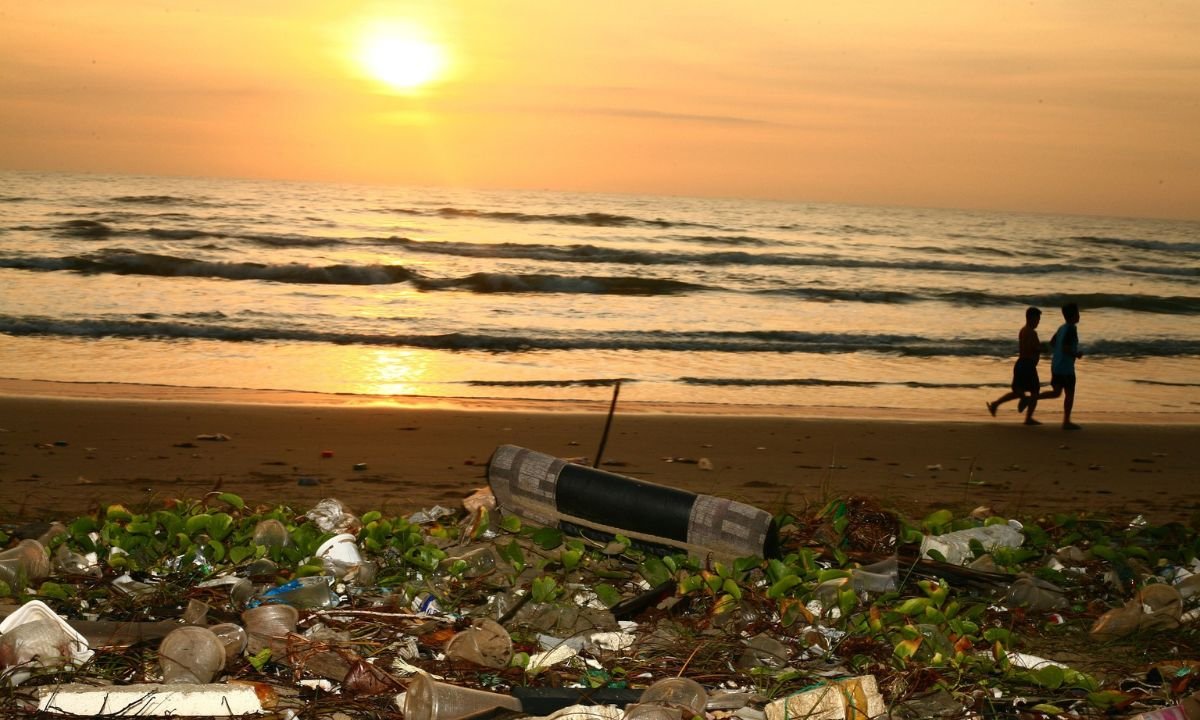
Oil from cars, trucks, and boats drips onto roads and washes into storm drains. While large tanker spills make headlines, everyday consumer activities actually contribute more oil pollution overall. Plastic bags, bottles, and microplastics break down slowly and release chemicals as they degrade.
Emerging contaminants like PFAS (forever chemicals) from nonstick products and firefighting foams also show up in water supplies. These substances do not break down easily and pose long-term risks even at low levels.
How Water Pollution Affects People, Wildlife, and Economies
The impacts stretch far beyond dirty-looking water. Contaminated supplies cause health problems ranging from gastrointestinal illnesses to long-term conditions like cancer. The World Health Organization estimates that unsafe water, sanitation, and hygiene contribute to roughly one million deaths each year from diarrheal diseases alone.
Aquatic ecosystems suffer when oxygen levels drop or toxins accumulate in the food chain. Fish populations decline, birds lose food sources, and entire wetlands can collapse. This biodiversity loss reduces natural water filtration that healthy ecosystems normally provide.
Economically, polluted water raises treatment costs for cities and industries. Tourism drops when beaches close, and fishing communities lose income. In some regions, water scarcity worsens because polluted sources become unusable, forcing expensive alternatives like desalination or long-distance transport.
Practical Prevention Methods That Actually Work
The encouraging part is that many prevention methods are straightforward and effective. Combining individual habits with larger-scale efforts creates the biggest difference.
Everyday Actions You Can Take Right Now
Start at home by choosing phosphate-free detergents and cleaning products. Dispose of motor oil, paint, and household chemicals at local collection centers instead of pouring them down drains. Fix leaky faucets and toilets to reduce unnecessary water use that strains treatment systems.
In your yard, apply fertilizer sparingly and only when needed. Sweep up grass clippings and leaves rather than letting them wash into streets. Pick up after your pets and keep litter out of storm drains. These small steps prevent pollutants from reaching waterways in the first place.
Community and School Initiatives
Organize neighborhood cleanups along rivers and beaches. Support local rain garden projects that use plants to filter stormwater naturally. Schools can teach students about proper waste disposal and even install water bottle refill stations to cut plastic use.
Businesses can switch to greener practices, such as installing oil-water separators in parking lots or adopting water-recycling systems. When enough people and companies act together, local water quality improves noticeably.
Government Policies and Regulations
Strong laws like the Clean Water Act in the United States have already reduced certain types of pollution. Governments can expand monitoring programs, enforce stricter discharge limits, and invest in modern wastewater treatment plants.
International cooperation helps address transboundary rivers and ocean pollution. Funding for rural sanitation projects and incentives for farmers to use precision agriculture techniques also make a measurable impact.
Cutting-Edge Technologies and Innovations
Advanced treatment methods now remove more contaminants than ever. Bioremediation uses beneficial bacteria to break down pollutants naturally. Constructed wetlands mimic nature’s filtration process at lower cost. New membrane technologies and AI-driven monitoring systems help utilities catch problems early.
On the agricultural side, sensor-based irrigation and slow-release fertilizers reduce runoff. Companies are developing biodegradable alternatives to plastics and chemicals that traditionally harm water.
Real-World Success Stories to Inspire Action
Several regions have turned the tide through focused efforts. The cleanup of the Thames River in London once earned the nickname “the river of death” because of industrial waste and sewage. Decades of regulation and investment restored fish populations and made the waterway safe for swimming again.
In the Great Lakes region of North America, collaborative programs between the United States and Canada reduced phosphorus levels and controlled algal blooms. Farmers adopted best-management practices, and cities upgraded treatment facilities with impressive results.
These examples show that when sources are identified and prevention methods are applied consistently, water quality rebounds faster than many people expect.
Building a Cleaner Water Future Starts Today
Water pollution: sources and prevention methods form a cycle we can break with knowledge and commitment. By addressing industrial discharges, agricultural runoff, and household waste head-on, we protect drinking water, wildlife habitats, and economic stability for generations to come.
You do not need to wait for massive policy changes to make a difference. Every responsible choice at home, every vote for environmental protections, and every conversation about these issues adds up. Check your local water quality reports, support organizations working on clean water projects, and share what you learn with friends and family.
The water we rely on is finite, but our ability to safeguard it is limitless when we work together. Start with one small change this week, and watch how collective action creates waves of positive change.
FAQs
What are the main sources of water pollution? The primary sources include industrial discharges, agricultural runoff carrying fertilizers and pesticides, untreated domestic sewage, oil from vehicles and spills, and plastic waste. These add chemicals, nutrients, bacteria, and debris that degrade water quality.
How does agricultural runoff cause water pollution? Rain or irrigation washes excess fertilizers and manure from fields into nearby streams and lakes. The extra nutrients trigger algal blooms that deplete oxygen and harm fish and other aquatic life.
Why is untreated wastewater such a big problem? More than 80 percent of global wastewater returns to the environment without full treatment. It carries bacteria, viruses, and chemicals that spread disease and damage ecosystems.
Can individuals really prevent water pollution? Absolutely. Simple habits like proper chemical disposal, reducing fertilizer use, and picking up pet waste keep pollutants out of storm drains and waterways.
What are the health effects of drinking polluted water? Contaminated water can cause immediate issues like diarrhea and vomiting, plus longer-term risks including cancer and developmental problems from heavy metals or emerging chemicals.
How do governments help prevent water pollution? They set discharge limits for industries, fund wastewater treatment upgrades, enforce farming best practices, and run public education campaigns about responsible waste handling.
Are there technologies that clean up polluted water? Yes. Bioremediation, advanced filtration membranes, constructed wetlands, and real-time monitoring systems now remove a wide range of contaminants more efficiently than older methods.
What role do plastics play in water pollution? Plastics break into microplastics that animals mistake for food. They also release harmful chemicals as they degrade, affecting marine life and eventually entering the human food chain.
How long does it take for water bodies to recover from pollution? Recovery time varies. Some rivers improve within a few years after major cleanup efforts, while others with accumulated sediments or persistent chemicals may need decades of consistent protection.
Is water pollution getting better or worse globally? Progress varies by region. Stricter regulations have improved water in many developed countries, but rapid urbanization and industrial growth in other areas continue to increase pressure on freshwater resources.