

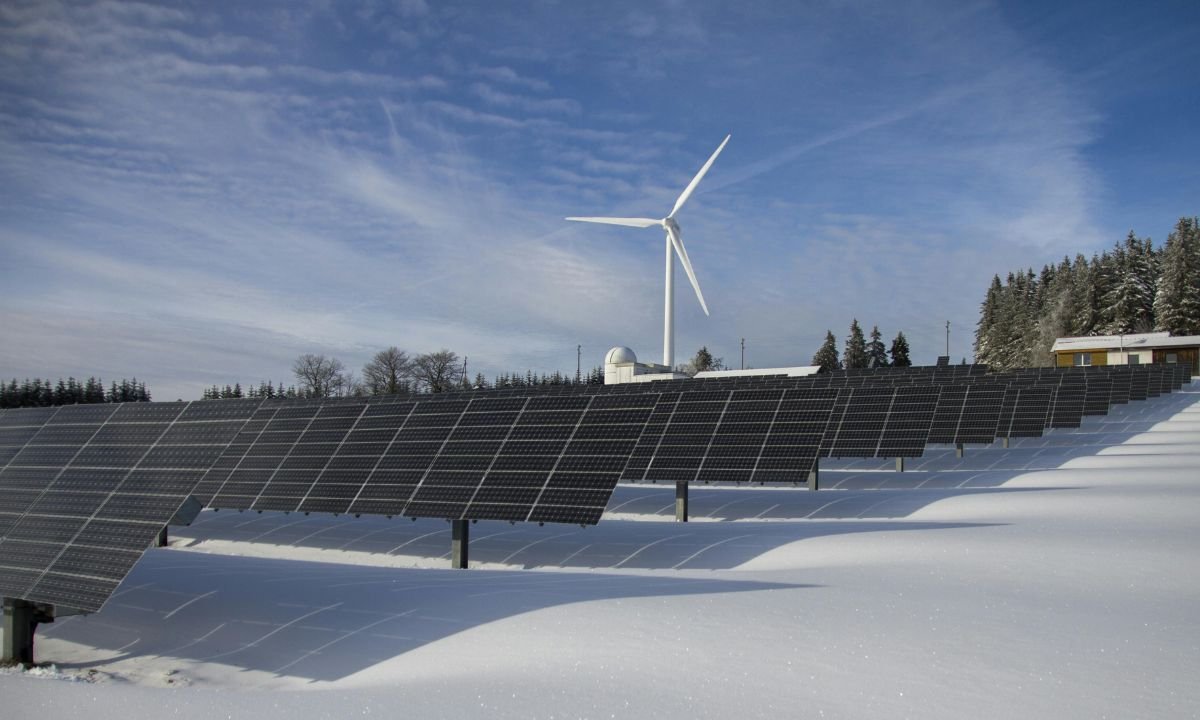
Introduction to renewable energy sources opens the door to a cleaner, more sustainable way of powering our lives. With global electricity demand surging and fossil fuels still dominating many grids, people everywhere are searching for practical alternatives that cut emissions without sacrificing reliability. In fact, renewables overtook coal as the top source of electricity generation in 2025, according to recent International Energy Agency reports. This shift happened faster than many experts predicted, thanks to record installations of solar and wind capacity worldwide.
If you are new to the topic or simply want to understand how these technologies work in everyday terms, you have come to the right place. This guide breaks down the basics, explores the main options available today, highlights real world benefits and hurdles, and shares what the coming years hold. By the end, you will feel confident discussing renewable energy sources with friends, family, or even at work. Let us get started.
What Are Renewable Energy Sources?
Renewable energy sources come from natural processes that replenish themselves on a human timescale. Unlike coal, oil, or natural gas, which take millions of years to form, these sources draw on sunlight, wind, water flows, underground heat, and organic matter that regrows quickly.
The core idea is simple: nature keeps supplying the raw material. Solar panels capture rays that reach Earth every single day. Wind turbines spin because air currents never truly stop. Rivers keep flowing, the ground stays warm, and plants continue to grow. This constant renewal makes renewable energy sources fundamentally different from finite fossil reserves.
You might wonder why the distinction matters so much right now. The answer lies in two big pressures: climate change and energy security. Burning fossil fuels releases carbon dioxide and other pollutants that trap heat in the atmosphere. Renewable options produce little to no such emissions during operation, which helps slow global warming while reducing air pollution in cities.
Why Renewable Energy Sources Matter More Than Ever
Energy demand keeps climbing as populations grow, economies expand, and more devices plug in. Data from 2025 shows electricity use rising at record rates, driven by electric vehicles, data centers, and cooling needs in warmer regions. At the same time, investment in clean power hit $2.2 trillion globally last year, outpacing fossil fuel spending.
Renewable energy sources help meet that demand without adding to the climate crisis. They also create jobs in manufacturing, installation, and maintenance. In many places, solar and wind projects now cost less to build and run than new coal or gas plants. Prices for solar panels and batteries have dropped dramatically over the past decade, making the switch affordable for utilities and homeowners alike.
Another key reason involves energy independence. Countries that rely heavily on imported oil face price swings and supply risks. Local renewable energy sources, such as rooftop solar or community wind farms, keep power generation closer to home and more stable over time.
The Main Types of Renewable Energy Sources
Five primary categories dominate discussions and deployments today. Each works differently, suits certain locations, and brings its own strengths. Here is a clear look at how they operate.
Solar Energy
Solar energy turns sunlight directly into electricity or heat. Photovoltaic panels, the most common type, use semiconductor materials that release electrons when struck by photons. On a bright day, a single residential system can power an entire household.
Utility scale solar farms now cover hundreds of acres and feed entire cities. Advances in panel efficiency mean newer models squeeze more power from the same sunlight. Even in cloudy areas, modern technology captures diffuse light effectively.
Storage pairs nicely with solar. Batteries charge during peak sun hours and release energy after dark, smoothing out the natural daily cycle.
Wind Energy
Wind energy captures the movement of air across turbine blades. Onshore farms rise in open plains or ridges where steady breezes blow. Offshore installations sit in coastal waters and often enjoy stronger, more consistent winds.
A single modern turbine can generate enough electricity for hundreds of homes. When grouped into farms, they create gigawatts of clean power. Wind speeds vary, yet engineers have improved blade design and taller towers to catch higher altitude currents that move more reliably.
Hydropower
Hydropower uses the force of moving water to spin turbines. Large dams store water in reservoirs and release it on demand, providing both electricity and flood control. Run of river systems skip big reservoirs and simply channel natural flow.
This source delivers steady baseload power, unlike the variable nature of solar or wind. Pumped storage facilities even act like giant batteries by moving water uphill during low demand and letting it flow back down when needed.
Geothermal Energy
Geothermal energy taps heat stored beneath the Earths surface. In volcanic or tectonically active zones, hot water or steam rises naturally and drives turbines. Even in cooler regions, enhanced systems drill deep and circulate fluid to bring warmth up.
Because the ground temperature stays constant year round, geothermal plants run 24 hours a day with very high capacity factors. They also supply direct heating for buildings, greenhouses, and industrial processes.
Biomass Energy
Biomass energy comes from organic materials such as wood, crop residues, and dedicated energy crops. When burned or processed into biogas, these fuels release energy that would otherwise decompose and emit methane anyway.
Modern plants convert waste into electricity or heat while capturing emissions more cleanly than older incinerators. Some facilities even pair biomass with carbon capture to achieve negative emissions.
Benefits of Switching to Renewable Energy Sources
The advantages extend far beyond lower emissions. First, renewable energy sources save money over time. Once installed, fuel costs drop to nearly zero since sunlight and wind arrive free of charge. Homeowners often see payback periods of six to ten years, after which electricity becomes essentially free.
Second, these sources improve public health. Reduced air pollution from coal and gas plants means fewer cases of asthma, heart disease, and premature deaths. Communities near renewable projects report better quality of life.
Third, they create economic opportunity. Construction and maintenance jobs stay local. Supply chains for panels, turbines, and batteries have grown rapidly, supporting thousands of positions in engineering, logistics, and skilled trades.
Finally, renewable energy sources enhance resilience. Distributed solar on rooftops keeps critical facilities running during grid outages. Microgrids powered by wind or hydro can operate independently when main lines fail.
Challenges in Adopting Renewable Energy Sources
No solution is perfect, and renewable energy sources come with honest hurdles. Intermittency tops the list. Solar stops at night and wind slows on calm days. The good news is that battery storage, smart grids, and demand response programs are closing that gap fast.
Upfront costs still deter some projects, especially in developing regions. However, financing options and falling technology prices continue to narrow the difference. Policy support, such as tax credits or feed in tariffs, often tips the balance toward approval.
Land use raises questions in densely populated areas. Solar farms and wind turbines need space, though many install on rooftops, brownfields, or alongside farming. Offshore wind avoids land conflicts altogether.
Grid modernization presents another task. Older transmission lines must expand to carry power from remote renewable sites to urban centers. Investments in high voltage direct current lines and advanced inverters help manage this transition smoothly.
The Future of Renewable Energy Sources
Looking ahead to 2030 and beyond, forecasts paint an exciting picture. Global renewable capacity is expected to nearly double in the next five years, with solar leading the charge. The International Energy Agency projects renewables will supply over 40 percent of electricity worldwide by the end of the decade.
Hybrid systems that combine solar with wind and storage are becoming standard. Artificial intelligence will optimize when to charge batteries or shift loads, squeezing every kilowatt hour from available resources.
Hydrogen produced from surplus renewable electricity offers a way to store energy long term and decarbonize heavy industry and shipping. Countries are already piloting green hydrogen hubs that turn excess solar and wind into fuel for later use.
For individuals, rooftop solar paired with home batteries and electric vehicles will turn houses into mini power plants. Communities will form energy cooperatives to share locally generated power and lower collective bills.
How You Can Get Involved with Renewable Energy Sources
You do not need to wait for big policy changes to participate. Start small by auditing your own energy use and switching to efficient appliances. Check eligibility for solar incentives in your area. Many utilities now offer community solar subscriptions that let renters enjoy the benefits without installing panels.
Support local renewable projects through public comments or by choosing green energy plans from your provider. Educate others using simple facts, like the record 50 gigawatts of solar, wind, and storage added in the United States alone during 2025.
Every action counts. When enough people demand cleaner options, utilities and governments respond with faster deployment and better incentives.
In conclusion, an introduction to renewable energy sources reveals a practical path toward a healthier planet and more secure energy future. These technologies are no longer experimental. They are proven, affordable, and scaling rapidly. By understanding the options, weighing the benefits against the challenges, and taking personal steps, you become part of the solution. The sun will keep shining, the wind will keep blowing, and the opportunities will only grow. Start exploring renewable energy sources today and help shape a brighter tomorrow for everyone.
FAQ
What are renewable energy sources exactly?
Renewable energy sources draw power from natural processes that replenish themselves quickly, such as sunlight, wind, flowing water, underground heat, and sustainably grown organic matter. They contrast with fossil fuels that exist in limited supplies.
How do the main types of renewable energy sources compare?
Solar relies on sunlight, wind on air movement, hydropower on water flow, geothermal on Earth heat, and biomass on plant or waste material. Each suits different climates and provides unique advantages like constant output for geothermal or daytime peaks for solar.
Why is the introduction to renewable energy sources so important right now?
Record growth in 2025 showed renewables overtaking coal in global electricity generation while cutting costs and emissions. With electricity demand rising fast, these sources offer a cleaner way to meet needs without worsening climate change.
Are renewable energy sources cheaper than traditional power?
Yes, in most regions new solar and wind projects now cost less to build and operate than coal or gas plants. Once installed, ongoing fuel expenses drop dramatically since nature supplies the input for free.
What are the biggest challenges with renewable energy sources?
Intermittency, initial investment, land requirements, and grid upgrades top the list. Modern batteries, smarter grids, and policy support continue to address these issues effectively.
Can I use renewable energy sources at home?
Absolutely. Rooftop solar panels, small wind turbines, or community solar subscriptions let households generate their own power. Pairing systems with home batteries improves reliability and savings.
How fast is the world adopting renewable energy sources?
Extremely fast. Nearly 800 gigawatts of new capacity came online globally in 2025 alone, led by solar. Projections show renewables meeting most new electricity demand through 2030.
Do renewable energy sources create jobs?
Yes, they generate more employment per unit of energy than fossil fuels. Roles span manufacturing, installation, maintenance, and research, often staying within local communities.
Will renewable energy sources ever replace all fossil fuels?
They are on track to handle a growing share of electricity and transport needs. Combined with efficiency gains, storage, and clean fuels like green hydrogen, they form the backbone of a low carbon future.
What is the best way to learn more about renewable energy sources?
Read trusted reports from the International Energy Agency or International Renewable Energy Agency, visit local project sites, and speak with installers in your area. Hands on experience clarifies concepts quickly.