

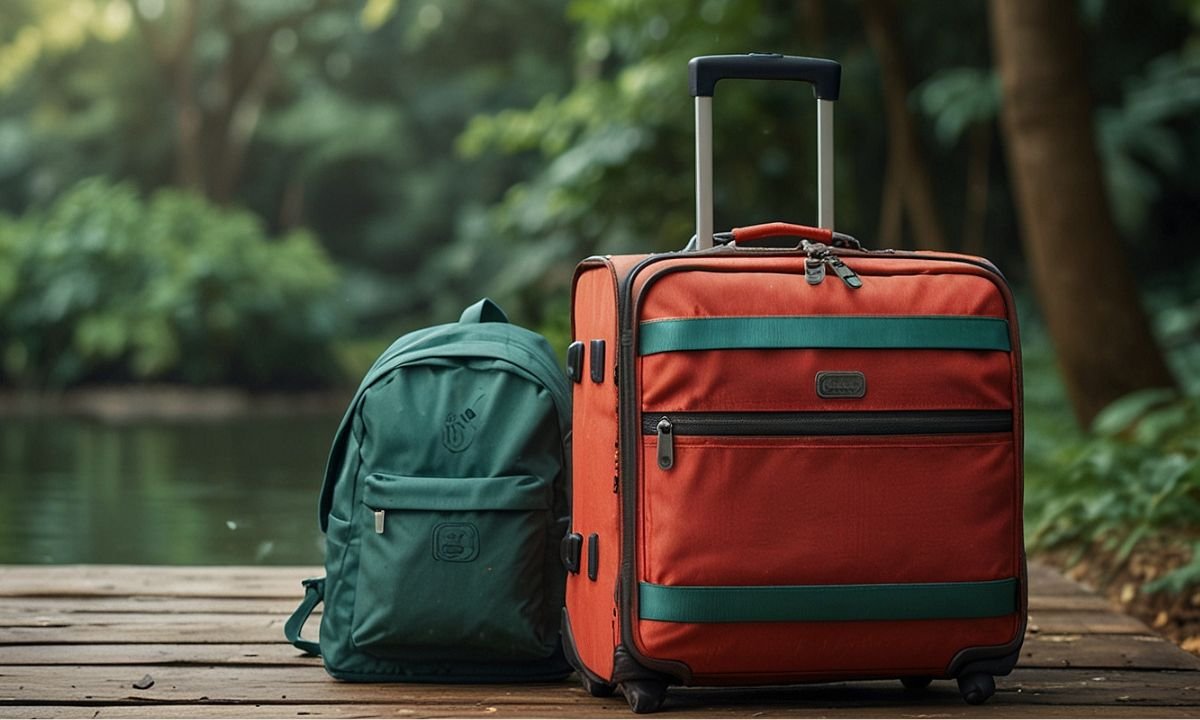
Picture this. You step off a crowded airport shuttle, suitcase wheels clacking on the pavement, and suddenly it hits you: that quick weekend getaway might be heavier on the planet than you realized. The travel and tourism sector still accounts for around 7.3 percent of global greenhouse gas emissions in recent years, according to the World Travel & Tourism Council. That number has dipped a bit from pre-pandemic peaks, yet it remains a stark reminder that our wanderlust comes with a cost.
But here is the encouraging part. You do not need to cancel your plans or swear off vacations altogether. Small, deliberate choices can shrink your carbon footprint dramatically without sacrificing the joy of discovery. Think of it like tuning an old engine. A few tweaks here and there, and suddenly everything runs cleaner and more efficiently. These eco-friendly travel tips draw from practical experience, not lofty theory. They focus on packing light, embracing public transport, and making mindful choices that add up. Whether you are a seasoned globetrotter or planning your first big trip, you will find ideas that fit your style.
Table of Contents
- Why Your Travel Choices Matter More Than Ever
- Sustainable Transportation and Packing Strategies
- Waste Reduction and Eco-Friendly Gear Essentials
- Sustainable Accommodation and Energy Conservation
- Supporting Local Economies and Respecting Nature
- Comparison: Transportation Options at a Glance
- Frequently Asked Questions
- Final Thoughts: Your Next Trip Can Be Part of the Solution
Why Your Travel Choices Matter More Than Ever
Let us be honest. Most of us book a flight or rent a car without pausing to calculate the emissions involved. Yet tourism-related transport alone can represent up to 70 percent of a trip’s total carbon output. The good news? Travelers are waking up. Surveys show that a growing number of people now prefer closer destinations or slower journeys precisely to cut their impact.
In my experience, the shift feels less like sacrifice and more like empowerment. When you start seeing the connection between your suitcase and the coral reef you want to snorkel, the decisions become intuitive. You begin asking better questions: Does this hotel reuse towels? Could I take the train instead? Those questions lead to better trips, too. Quieter, more connected experiences that linger in your memory longer than any Instagram post.
Sustainable Transportation and Packing Strategies
Start at the beginning, with what you carry. Packing light is not just about avoiding airline baggage fees. It reduces fuel consumption for planes, trains, and cars alike. Every extra kilogram demands more energy to move. I once weighed my bag before a European rail trip and realized I had packed enough clothes for a month-long expedition. Cutting it in half changed everything. Lighter luggage meant easier walks to stations, less stress at security, and, yes, lower emissions.
Choose Green Transport Whenever Possible
Opt for trains, buses, bicycles, or even your own two feet over short-haul flights or rental cars. The difference can be eye-opening. A train journey often emits a fraction of what a comparable flight produces, especially in regions with electrified rail networks. Buses follow closely behind. And if the destination is walkable or bike-friendly, you will see the place in a whole new light, literally.
If driving is unavoidable, practice eco-driving habits. Use cruise control on highways, avoid unnecessary idling, and maintain steady speeds. These adjustments might sound minor, but they can improve fuel efficiency by 10 to 20 percent on long stretches. You might not know this, but aggressive acceleration and braking waste far more gas than most drivers admit.
Fly Smarter When You Must Fly
Sometimes air travel is the only realistic option. When that happens, choose direct flights to minimize the high-emission phases of takeoff and landing. Look for airlines investing in sustainable aviation fuel or modern, fuel-efficient aircraft. And consider offsetting your emissions through reputable programs, though that should never replace actual reductions.
Waste Reduction and Eco-Friendly Gear Essentials
Single-use plastics are the silent villains of travel. They show up in water bottles, shopping bags, cutlery, and hotel toiletries. The fix is simpler than you might expect: bring your own reusables.
A sturdy water bottle, collapsible coffee cup, reusable shopping bags, and a set of bamboo cutlery can eliminate dozens of plastic items per trip. I keep mine in a dedicated “travel kit” that lives in my carry-on. It has become second nature, like remembering my passport.
Sustainable Toiletries and Reef-Safe Choices
Liquid toiletries create another headache at airport security and generate unnecessary packaging waste. Solid shampoo bars, conditioner bars, and toothpaste tablets solve both problems at once. They are lightweight, TSA-friendly, and often come in plastic-free wrapping. When it comes to sunscreen, choose reef-safe formulas. Coral reefs already face enough pressure from warming oceans. The last thing they need is chemical runoff from beachgoers.
Go Digital and Ditch the Paper Trail
Boarding passes, maps, itineraries, tickets. Keep them on your phone. Not only does this save paper, it reduces the chance of losing something important. Apps now handle everything from currency conversion to offline maps, making the digital route both practical and planet-friendly.
Sustainable Accommodation and Energy Conservation
Your choice of lodging can make or break the green credentials of a trip. Look for hotels with recognized environmental certifications such as Green Key, LEED, or EarthCheck. These properties usually follow measurable standards around energy use, water conservation, and waste management.
Conserve Energy and Water Without Even Trying
Once you check in, simple habits go a long way. Turn off lights and air conditioning when you leave the room. Take shorter showers. Reuse towels and linens instead of requesting daily housekeeping. Many hotels now make this easy with clear signage and opt-out cards. Honestly, this is one change that feels almost too easy, yet it prevents countless loads of laundry from running unnecessarily.
If the property offers it, participate in their towel and sheet reuse program. You will sleep better knowing you are not contributing to excess water and detergent use.
Supporting Local Economies and Respecting Nature
Sustainable travel is not only about what you avoid. It is about what you choose to support. Dining at local restaurants and shopping at neighborhood markets keeps money circulating within the community rather than leaking to international chains. Imported goods carry a hidden carbon cost from shipping and packaging. Eating and buying local slashes that footprint while giving you a more authentic taste of the destination.
Follow Leave No Trace Principles
When you venture into parks or natural areas, the rule is straightforward: leave no trace. Stick to marked trails, pack out everything you pack in, and resist the urge to feed wildlife. Those cute photos of tourists hand-feeding monkeys might look harmless, but they disrupt natural behaviors and can lead to dangerous human-animal conflicts down the line.
Comparison: Transportation Options at a Glance
Sometimes numbers speak louder than words. Here is a quick comparison of common travel modes based on average carbon emissions per passenger kilometer (rough estimates drawn from recent industry data).
| Transportation Mode | Approx. CO₂ Emissions (g per passenger km) | Pros | Cons | Best For |
|---|---|---|---|---|
| Long-haul flight | 100–250 | Fast, reaches distant places | High emissions, airport hassle | Intercontinental journeys |
| Short-haul flight | 150–300 | Quick for nearby cities | Takeoff/landing spikes emissions | When time is critical |
| Train (electric/high-speed) | 10–50 | Comfortable, scenic, low impact | Limited routes in some regions | Europe, Asia inter-city travel |
| Intercity bus | 20–80 | Affordable, flexible stops | Longer travel time | Budget-conscious regional trips |
| Bicycle or walking | 0 | Zero emissions, immersive | Limited distance, weather dependent | Urban exploration, short hops |
| Rental car (efficient model) | 100–180 | Door-to-door flexibility | Fuel use, parking stress | Remote areas with good roads |
These figures vary by occupancy, fuel type, and distance, but they illustrate why swapping even one short flight for a train ride can cut your impact dramatically.
Frequently Asked Questions
What is the single biggest way to make travel more sustainable? Focus on transportation. Choosing trains or buses over short flights often slashes emissions by 80 to 90 percent on many routes. Packing light helps too, but the vehicle you take matters most.
Do reusable items really make a noticeable difference? Absolutely. One traveler using a refillable bottle and cloth bag for a two-week trip can prevent hundreds of single-use plastics from entering landfills or oceans. It adds up fast when millions of people adopt the habit.
Are eco-certified hotels worth the extra cost? In most cases, yes. Certified properties tend to use less energy and water while supporting better waste practices. You often get better service and a clearer conscience as a bonus.
How can I support local economies without overspending? Eat at family-run restaurants, buy souvenirs directly from artisans, and choose homestays or small guesthouses. Even small purchases directed to locals create a multiplier effect that benefits the community far more than chain spending does.
Is offsetting my flight emissions enough? Offsetting helps, but it should come after reducing what you can. Prioritize lower-emission options first. Then, if you fly, choose a verified offsetting project that funds reforestation or renewable energy.
What about toiletries and sunscreen? Any quick swaps? Switch to solid bars and reef-safe formulas. They travel lighter, pass security easier, and protect marine life better than traditional liquids and chemical-heavy creams.
Can I still enjoy luxury travel while staying green? Of course. Many high-end eco-resorts now offer exceptional experiences with solar power, organic cuisine sourced locally, and zero-waste policies. Sustainability does not mean roughing it.
Final Thoughts: Your Next Trip Can Be Part of the Solution
Eco-friendly travel is not about perfection. It is about progress. You will not get every choice right on every journey, and that is okay. What matters is the intention and the small shifts that become habits.
Some experts disagree on the exact timeline for meaningful global change, but here is my take: travelers hold more power than they realize. Every time you pack lighter, choose the train, or support a family-owned café, you vote with your wallet for a different kind of tourism. One that values places and people over pure convenience.
So go ahead. Book that trip. Just bring the reusable bottle, check the train schedule, and maybe leave the daily housekeeping request unchecked. Your future self, and the destinations you love, will thank you. What small change will you try on your next adventure?