

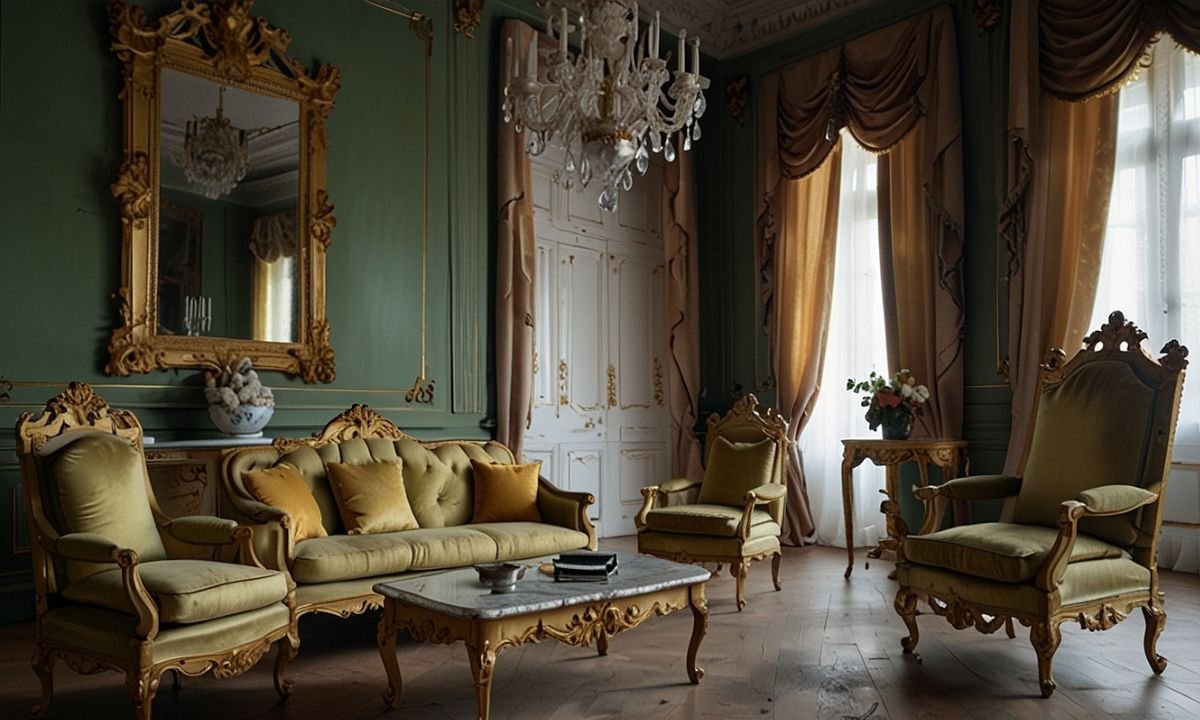
Catherine the Great furniture captures the imagination like few other chapters in royal design history. As empress of Russia from 1762 to 1796, she poured enormous energy into transforming palaces and creating interiors that reflected her Enlightenment ideals. Her choices blended European sophistication with Russian craftsmanship, resulting in pieces that still feel both grand and surprisingly modern.
If you have ever wondered what made her collections stand out, you are not alone. Searches for Catherine the Great furniture often mix curiosity about lavish palace life with those persistent rumors of something far more scandalous. In reality, the story is richer than any single legend. It involves a deliberate shift in style, master designers, and a vision that helped define neoclassical elegance across Europe.
This article dives deep into the history, key characteristics, and lasting influence of Catherine the Great furniture. You will discover how her taste evolved, the craftsmen she trusted, and where you can still admire authentic examples today. Along the way, we will separate fact from fiction so you walk away with a clear picture of why her interiors continue to inspire designers and history lovers alike.
Who Was Catherine the Great and Why Did Furniture Matter to Her?
Catherine the Great, born Sophie of Anhalt-Zerbst in Prussia, rose to become one of the most powerful rulers in Russian history. She seized the throne in 1762 and spent the next three decades expanding the empire while championing arts, education, and culture. Furniture played a central role in that mission.
For Catherine, interiors were not just about comfort or status. They were tools of power and progress. She wanted Russia to look every bit as enlightened as the French or English courts she admired. That meant moving away from heavy, ornate Baroque designs toward something cleaner and more rational. Her furniture choices helped project an image of order, intellect, and imperial strength.
She corresponded with thinkers like Voltaire and Diderot, and she imported ideas along with skilled artisans. Every chair, table, and cabinet in her palaces served as a statement. The pieces reflected her personal taste while also signaling to visiting diplomats and nobles that Russia had arrived on the world stage.
The Shift from Rococo to Neoclassical in Catherine the Great Furniture
Early in her reign, Catherine tolerated the playful curves of Rococo, but she quickly grew tired of its excess. By the 1770s she had embraced neoclassicism wholeheartedly. This style drew inspiration from ancient Greece and Rome, favoring symmetry, straight lines, and restrained ornamentation.
Catherine the Great furniture from this later period features clean proportions and classical motifs such as laurel leaves, acanthus scrolls, and fluted columns. Gone were the wild flourishes of earlier decades. Instead, designers emphasized balance and harmony, ideas that mirrored the empress’s own philosophical leanings.
This transition happened at exactly the right cultural moment. Neoclassicism aligned perfectly with Enlightenment values of reason and clarity. Catherine encouraged it across her building projects, making sure every new room echoed the same elegant restraint.
Inside the Palaces: Catherine Palace and Cameron’s Masterpieces
No discussion of Catherine the Great furniture is complete without mentioning the Catherine Palace at Tsarskoye Selo. Scottish architect Charles Cameron arrived in Russia in 1779 and quickly became her favorite designer. He created interiors that felt intimate yet majestic, and the furniture he specified matched those spaces perfectly.
In the Green Dining Room and other private apartments, Cameron designed armchairs and settees with tapered legs and delicate carvings. Many pieces combined mahogany or rosewood with gilded bronze accents. Upholstery often featured rich silks or velvets in soft pastels that complemented the painted walls.
Cameron’s work extended to smaller details too. He sketched folding armchairs for open terraces and stools for the Grecian Hall that carried the same classical spirit. The result was a cohesive look where furniture, architecture, and decoration worked together as one unified whole.
The Winter Palace in St. Petersburg, now home to the Hermitage Museum, also housed countless examples of her personal style. Rooms here showcased similar neoclassical lines but on an even grander scale to suit state functions.
Master Craftsmen and Signature Pieces
Catherine did not rely on local talent alone. She brought in some of Europe’s finest cabinetmakers. German master David Roentgen supplied mechanical marvels, including ingenious desks and tables with hidden compartments and moving parts. These pieces combined technical brilliance with beautiful neoclassical exteriors.
Russian workshops also rose to the occasion. Artisans in St. Petersburg and Moscow produced marquetry furniture using colored woods to create intricate patterns of flowers, landscapes, and classical scenes. Gilding added a touch of imperial luxury without overwhelming the clean lines.
Surviving examples include elegant secretaires, console tables with marble tops, and upholstered bergère chairs. Many featured Ural semi-precious stones or fine veneers that highlighted the natural beauty of the wood. The attention to detail was extraordinary, right down to the precise joinery and hand-finished surfaces.
Key Design Elements and Materials Used
Several hallmarks define authentic Catherine the Great furniture. Look for:
- Symmetrical forms and tapered legs
- Classical motifs carved or inlaid with precision
- Rich woods such as mahogany, rosewood, and walnut
- Gilded bronze mounts and ormolu decorations
- Luxurious fabrics like silk damask, velvet, and brocade
- Functional innovations such as mechanical mechanisms
These choices created pieces that felt both practical and breathtakingly beautiful. The materials came from across the empire and beyond, underscoring Catherine’s vast resources and international connections.
Russian craftsmen added their own touches too. They often incorporated local stones and adapted European designs to suit the colder climate, resulting in slightly sturdier frames that still maintained graceful proportions.
The Controversial Legend of Erotic Catherine the Great Furniture
Any conversation about Catherine the Great furniture eventually touches on the persistent rumors of an “erotic cabinet.” Stories describe chairs, tables, and screens carved with explicit imagery, supposedly hidden away in private rooms. Black-and-white photographs circulated online show pieces with phallic shapes and graphic details, allegedly discovered by German soldiers during World War II.
Historians treat these claims with caution. No verified records from Catherine’s lifetime confirm such furniture. The photos surfaced long after her death, and the palaces suffered heavy damage during the war, making it impossible to examine originals. Most experts view the tale as legend, possibly exaggerated or even fabricated for shock value.
Catherine was indeed open about her personal life and enjoyed collecting art, including some sensual works. Yet the surviving furniture in museums shows refined neoclassical taste rather than anything overtly scandalous. The rumor adds color to her already dramatic biography, but it should not overshadow her genuine contributions to design and culture.
Where to See Authentic Catherine the Great Furniture Today
Fortunately, you can still experience the real thing. The Hermitage Museum in St. Petersburg houses an impressive collection of furniture from her era. Many pieces once graced the Winter Palace and offer a direct link to her daily surroundings.
The Catherine Palace at Tsarskoye Selo, now carefully restored, lets visitors walk through rooms Cameron designed. You can see how the furniture interacted with painted ceilings, parquet floors, and grand windows. Pavlovsk Palace, built for her son but influenced by the same aesthetic, provides another excellent example.
If travel to Russia is not possible, major museums in Europe and the United States occasionally display loaned pieces or similar examples from the period. Online virtual tours and high-resolution photographs also bring these treasures closer to home.
How Catherine the Great Furniture Inspires Modern Interior Design
Contemporary designers still draw heavily from her style. Neoclassical elements appear in everything from luxury hotels to private homes. A single well-chosen armchair with tapered legs and subtle gilding can anchor an entire room.
Homeowners who love the look often mix original antiques with quality reproductions. Popular choices include:
- Gilded console tables for entryways
- Bergère-style reading chairs in studies
- Marble-topped side tables with classical inlays
- Symmetrical bookcases that echo 18th-century proportions
The beauty of this approach lies in its versatility. Catherine the Great furniture style works equally well in minimalist apartments or traditional estates because the clean lines and balanced proportions feel timeless.
Collecting or Replicating the Style on Any Budget
Serious collectors seek authenticated pieces through reputable auction houses, but high-quality replicas offer an accessible alternative. Look for makers who use traditional techniques and period-appropriate woods.
Start small if you are new to the style. A single accent piece, such as a neoclassical mirror or lamp, can introduce the elegance without a full room makeover. Combine it with neutral walls and simple textiles to let the furniture shine.
Conclusion
Catherine the Great furniture tells a story of ambition, refinement, and cultural transformation. From the neoclassical lines favored by Charles Cameron to the mechanical wonders crafted by David Roentgen, her choices shaped Russian design for generations. While rumors of scandalous pieces continue to spark debate, the surviving legacy rests on elegant, thoughtful craftsmanship that still resonates today.
Whether you admire it from afar or incorporate elements into your own home, her vision proves that great design transcends time. Next time you see a graceful tapered leg or a beautifully inlaid tabletop, remember the empress who helped bring that aesthetic to life. Consider planning a visit to the Hermitage or Catherine Palace to experience it firsthand. The history is waiting, and it is every bit as captivating as the legends suggest.